

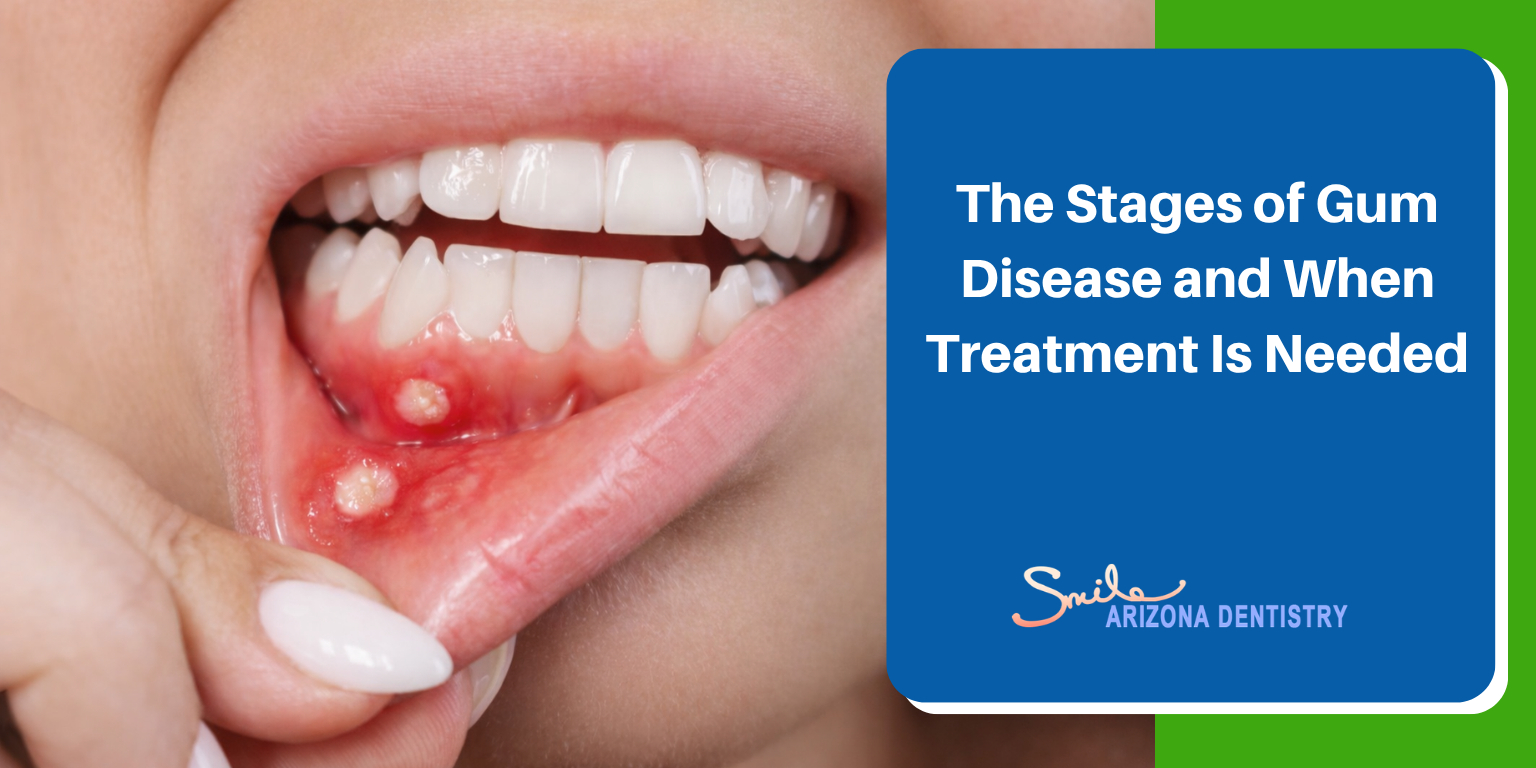



Gum disease is one of the most common oral health conditions, yet it often goes unnoticed until it becomes more serious. Affecting millions of adults worldwide, it typically develops silently, progressing from mild irritation to advanced damage if left untreated.
Understanding the stages of gum disease is essential for recognizing early warning signs and seeking timely care. Let’s explore how gum disease progresses, its symptoms at each stage, and when treatment becomes necessary.
Gum disease, also known as periodontal disease, is an infection of the gums caused by plaque buildup along the gumline. When plaque is not removed through proper brushing and flossing, it hardens into tartar, leading to inflammation and infection.
If left untreated, gum disease can:
Because it often develops quietly, many people are unaware they have it until symptoms worsen.
Gum disease does not appear suddenly, it develops in stages. Recognizing these stages is important because:
Early intervention can make a significant difference in both oral health outcomes and treatment costs.
One of the most searched concerns, bleeding gums causes, is often linked to gingivitis. At this stage, inflammation is limited to the gums and has not yet affected the underlying bone.
Yes. Gingivitis is fully reversible with:
This is the ideal stage to take action, as treatment is simple and highly effective.
As gum disease progresses, the gums begin to pull away from the teeth, forming small pockets where bacteria accumulate.
Symptoms to Watch For
At this stage, damage begins to extend beyond the gums, making professional treatment necessary.
Without treatment, gum pockets deepen further, allowing more bacteria to spread below the gumline. This leads to increased bone loss and weakening of tooth support.
Symptoms
Intervention at this stage is critical to prevent further structural damage.
Advanced periodontitis is the most serious stage, involving significant bone loss and damage to the tissues supporting the teeth.
At this stage, treatment focuses on managing the condition and preserving remaining oral structures.
Many people delay treatment because symptoms seem minor at first. However, you should seek dental care if you notice:
Early evaluation can prevent progression to more advanced stages.
Preventing gum disease is often simpler than treating it. Consistent oral care can significantly reduce your risk.
Preventive care plays a key role in maintaining long-term gum health.
The outcome depends on the stage of the condition:
Understanding this distinction helps set realistic expectations and emphasizes the importance of early intervention.
Gum disease often begins with subtle symptoms, such as mild bleeding or occasional bad breath. While these signs may seem minor, they can indicate the early stages of a progressive condition.
Taking action early can mean the difference between simple, non-invasive treatment and more complex procedures later. Prioritizing gum health today helps protect your smile for the future.
Don’t ignore the early signs of gum disease. At Smile Arizona Dentistry, expert care and timely treatment can help stop progression and protect your smile before problems become more serious.
Schedule your consultation today to understand your gum health and get the right treatment at the right time.
Red, swollen gums, bleeding while brushing or flossing, and persistent bad breath are common early signs.
Yes, gingivitis can be reversed with proper oral hygiene and professional cleaning. Advanced stages require ongoing management.
Symptoms such as gum recession, loose teeth, and pain while chewing may indicate more advanced stages.
You should seek care if you experience persistent bleeding, bad breath, or noticeable changes in your gums or teeth.
Treatment depends on the stage and may include professional cleaning, deep cleaning procedures, medication, or surgery in advanced cases.